Cookeville TN Building Professionals
You'll want a Cookeville builder who knows local zoning overlays, stormwater requirements, and Tennessee Energy Code amendments—plus coordinates utilities, inspections, and submittals without delays. Count on kiln‑dried, grade‑stamped structure, ICC/ASTM‑listed envelope components, and third‑party verified tests (pressure, duct tightness, IR) tied to inspection milestones. Obtain a baseline schedule with critical path, documented RFIs/change orders, and closeout packages prepared for CO. We also model energy targets (≤3 ACH50), spec heat pumps, and pre‑wire EV/solar so your project performs, and what follows explains how.
Critical Insights
- In-depth Cookeville expertise: zoning overlays, permitting, Tennessee Energy Code, stormwater, and utility coordination for faster approvals and fewer delays.
- Verified materials and workmanship: approved products meeting ASTM/ICC/ANSI, reviewed submittals, and envelope components designed for Cookeville's humidity and temperature swings.
- Stringent inspections and testing: structured checkpoints, third-party evaluations, pressure testing and duct testing, infrared scans, and documented adjustments for code-compliant operation.
- Clear project management: detailed estimates, cost codes, milestone-based payments, critical path scheduling, RFI and change order tracking, and stamped plans on site.
- Energy-efficient, ready-to-occupy homes: ≤3 ACH50 air tightness, heat pump systems, balanced ventilation systems, electric vehicle and solar-ready, safety code compliance, warranty documentation, and Certificate of Occupancy support.
Why Choosing Local Builders Makes a Difference in Cookeville
Geographic proximity enhances results in Cookeville's residential construction. When you hire local builders, you gain local expertise on city permitting, zoning overlays, stormwater standards, and Tennessee Energy Code amendments. They assess site constraints with precision-soil class, frost depth, wind exposure, and floodplain data-so plans satisfy code on the first submittal. You avoid delays, change orders, and scope creep.
Regional teams collaborate swiftly with utility providers, inspectors, and suppliers, shortening lead times and reducing weather and logistics risks. They choose materials suited to Cookeville's humidity and temperature fluctuations, minimizing callbacks and warranty claims. Community reputation keeps them accountable; they can't disappear after punch-out. You get transparent scheduling, documented inspections, and compliant closeout packages. Opt for local, and you command risk, budget, and schedule with data, not guesswork.
Craftsmanship and Quality Standards You Can Trust
You demand craftsmanship that commences with premium materials identified for get more info structural integrity, moisture resistance, and code compliance. We designate certified products, confirm batch data, and document chain-of-custody to lower failure risk. You also get rigorous build inspections at each milestone-foundation, framing, MEP rough-in, and final-using checklists compliant with IRC/IBC and manufacturer installation standards.
Premium Material Choice
Identify materials that satisfy or surpass relevant ASTM, ANSI, and ICC standards, then confirm traceable certifications ahead of procurement. This reduces lifecycle risk by specifying products with third-party labels (NSF, GREENGUARD, UL) and documented origin, batch, and performance data. Give priority to Class A fire ratings where required, low-VOC finishes, and corrosion-resistant fasteners per exposure category.
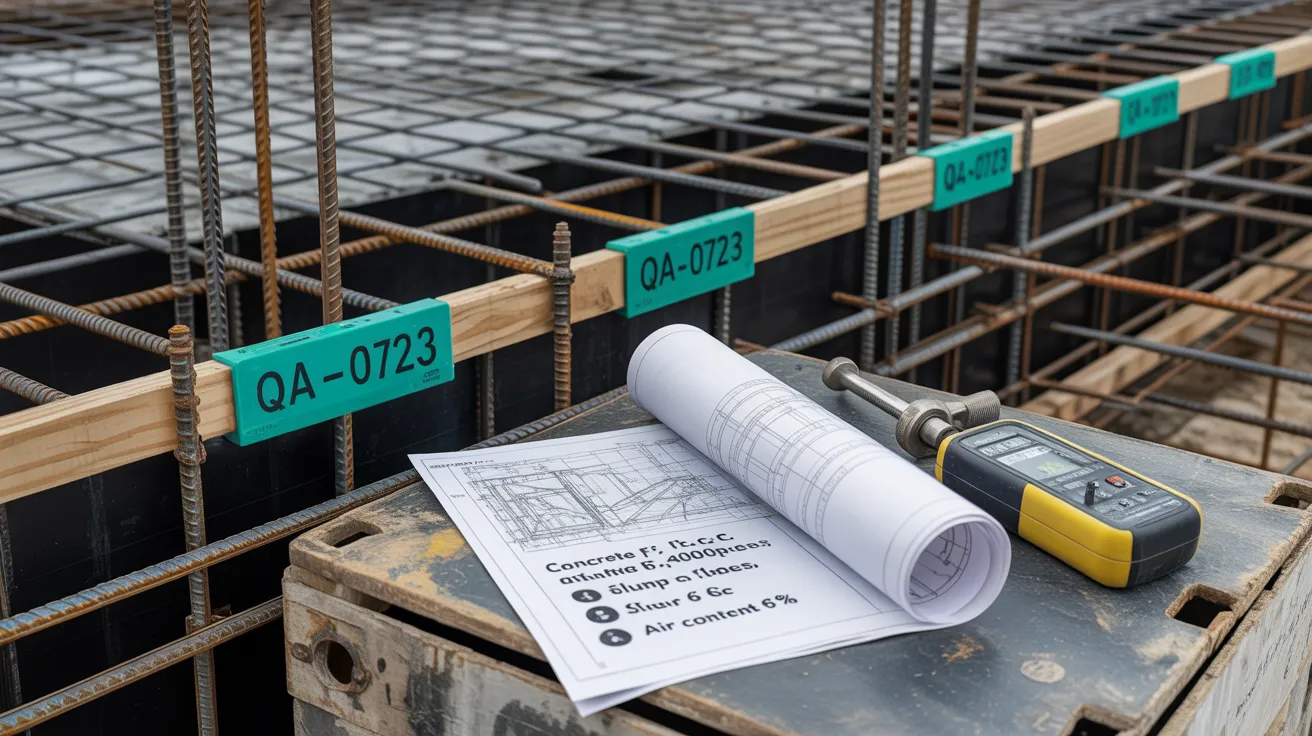
When specifying structural elements, require kiln-dried, grade-stamped lumber; engineered wood with APA stamps; and concrete mixes with submittals confirming f'c, slump, and air content. For finishes, specify Exotic hardwoods with SFI or FSC chain-of-custody and Janka hardness appropriate for traffic. Choose Luxury fixtures with ASME A112 compliance, WaterSense certification, and 316 stainless or solid-brass assemblies. For envelopes, require ASTM E2178/E2357 air barriers, ICC-ES listed flashings, and manufacturer-compatible sealants.
Comprehensive Construction Inspections
Having materials certified to ASTM, ANSI, and ICC benchmarks, the essential safeguard is a structured inspection regime that verifies installation meets blueprint, code, and manufacturer specifications. You'll encounter disciplined checkpoints at layout, foundation, framing, MEP rough-in, envelope, and finals. We document tolerance standards, fastening schedules, vapor control layers, firestopping, and egress standards. Inspectors validate load paths, nailing patterns, and penetrations against approved drawings.
We employ proactive snagging to identify defects early, avoiding rework and latent risk. Moisture analysis, torque checks, and IR thermography validate performance. Plumbing and electrical undergo pressure, continuity, and GFCI/AFCI tests. HVAC and insulation are evaluated to RESNET and IECC standards. Independent third party audits corroborate conformance and offer corrective actions. You receive detailed reports, photo evidence, and closeout verification.
Transparent Budgets, Timelines, and Communication
Often overlooked, open financial planning, practical timeframes, and open correspondence are non-negotiable controls for a standards-compliant, low-exposure build. You should be provided with transparent cost assessments tied to scope, specs, and allowances, with individual item rates and contingencies defined. Insist on detailed cost breakdowns that sync with schedule activities, so financial disbursement aligns with progress. Secure payment milestones to inspection stages and code compliance points, not vague completion claims.
Define a baseline schedule with critical path tasks, long-lead items, and weather buffers noted. Require regular updates that reveal percent complete, variance, and recovery actions. Demand RFIs, change orders, and submittals tracked in writing with timestamps, responsible parties, and approval deadlines. Utilize a single communication channel, meeting cadence, and decision log to eliminate scope creep, delay claims, and budget overruns.
Tailored Design: From Concept to Move-In Ready
Sound controls only work when the design supports them. You commence with needs analysis, codes, and constraints, then iterate Layout options that fulfill egress, span limits, and plumbing stacks. You validate structural loads, fire separation, and acoustic assemblies early to eliminate rework. During Site planning, you reconcile setbacks, drainage, driveway slope, and utility taps, documenting constraints in the survey and civil plan. You coordinate MEP rough-ins with wall types to protect STC ratings and service access. Finish selections adhere to performance: slip resistance, VOC limits, warranties, and cleanability, all cross-checked with manufacturer specs. You schedule inspections by phase, verify tolerances, and issue punchlists. Finally, you plan Move logistics—protective floor paths, door clearances, appliance routing—so you take possession on time without damaging completed work.
Smart Home Building and Energy-Efficient Options
Normally, you initiate by configuring the envelope and systems to reach code-mandated performance targets (IECC/ASHRAE 90.1 or local stretch codes) and then select components that handle those loads with headroom. You'll define R-values, window U-factors/SHGC, and airtightness requirements (≤3 ACH50) to size heat pumps and ERVs accurately. Focus on continuous exterior insulation, advanced air sealing, and balanced ventilation with MERV-13 filtration.
Select variable-speed heat pumps, heat pump water heaters, and induction cooking to minimize onsite combustion dangers. Install pre-wired circuits for EV charging and integrate solar preparation wiring with properly sized conduit, roof set-asides, and labeled breakers. Implement smart thermostats linked to room sensors for zoning and demand response. Include leak detection shutoffs, whole-home surge protection, and monitored energy submetering to verify performance.
Navigating Permits, Inspections, and Final Walkthroughs
You'll map a permit timeline that aligns with jurisdictional lead times, plan reviews, and required contingencies to stop stop-work orders. After that, you'll implement an inspection readiness checklist——structural, MEP rough-ins, fire/life safety, energy code, and site controlsto ensure compliance before each scheduled visit. Finally, you'll organize the punch-list and final walkthrough to validate code closures, warranty documentation, and certificate of occupancy requirements.
Essential Permit Timeline Information
Though every jurisdiction sets its own standards, a compliant permit timeline maintains a consistent path: scope definition and code review, complete permit application with sealed plans, plan check and corrections, permit issuance, phased inspections aligned with defined milestones (for example, footing, foundation, framing, MEP rough-in, insulation, drywall, energy, and final), correction cycles as needed, and a documented final walkthrough for Certificate of Occupancy. You can manage risk by front-loading permit sequencing: align structural, energy, and MEP submittals so reviewers evaluate a coordinated set. Determine approval contingencies in advance—flood plain, septic, driveway curb cuts, or utility taps— and resolve them before mobilization. Retain dated logs of plan-check comments, revisions, and resubmittals. Incorporate inspection holds into your schedule with float. Validate specific inspections, truss certificates, and manufacturer data are prefiled.
Inspection Preparation Checklist
Once permit sequencing is secured, inspection readiness turns on verifiable checkpoints that align with each approved sheet. You'll stage inspections by discipline: footing, framing, rough-in MEP, insulation, drywall, and final. Begin with document prep: stamped plans on site, truss and engineered letters, energy reports, and corrected redlines. Confirm erosion controls and address posting.
For rough-in stages, complete utility verification: meter sets, bonding, grounding, GFCI/AFCI placements, smoke/CO installation locations, nail plate protection, fire blocking, and penetrations sealed. Perform pressure testing on plumbing, verify duct tightness, and label circuit breakers. Keep clear access, proper ladder safety protocols, and well-lit work spaces.
Ahead of finals, conduct appliance verification, breaker labeling, receptacle tamper-resistance, handrails, egress, and arc-fault GFCI/ARC tests. Verify grading, downspouts, and backflow devices. Close permits, record corrections, and schedule pre-move orientation and final walkthrough.
Common Questions
Do You Supply a Post-Construction Warranty and What Is Covered?
Indeed. You receive post construction warranty coverage and support with defined terms. We execute Punchlist Completion, honor a Materials Guarantee, and take on Builder Liability per code. Structural Warranty covers load‑bearing elements; Roof Warranty complies with manufacturer specs. Appliance Coverage aligns with OEM terms. You may request Warranty Transfer at closing. We provide a Maintenance Plan with required inspections. Exclusions include misuse and non‑compliant alterations. Report issues without delay for documented response times and verified remediation.
How Are Subcontractors Chosen and Screened for Projects?
You pass through a rigorous pipeline: first, we prequalify firms, then assess safety records and insurance, and finally verify workmanship on recent projects. You'll feel the suspense lift as we confirm licenses, trade certifications, and code knowledge. We perform background checks on owners and field leads, confirm OSHA training, and examine manpower and schedule reliability. We trial them through controlled scopes, apply QA/QC hold points, and maintain only those achieving performance and risk thresholds.
What Financing or Lender Partnerships Are Available for New Builds?
You may obtain Construction Financing from builder-approved banks and credit unions that offer one-time close construction-to-permanent loans. Builder Lenders usually provide rate locks, draw schedules, and inspector-verified disbursements to control lien risk. You'll provide plans, specs, a fixed budget, and a builder agreement; underwriting examines appraisal "as-completed" value, contingency, and borrower reserves. Expect interest-only in the course of construction, recourse covenants, and title updates per draw. Inquire about retainage, change-order protocols, and reprice triggers.
Do You Offer References From Recent Cookeville Homeowners?
Yes. You can review recent testimonials and request homeowner interviews from projects completed in the past year to 18 months. I'll supply a pre-approved list with contact details, occupancy dates, permit numbers, and subdivision details. You can inquire about schedule adherence, change-order handling, warranty response times, and code inspection findings. For privacy, I'll obtain written consent before sharing. If you prefer, I'll organize site visits to occupied homes or walkthroughs of near-completion projects.
How Do You Manage Change Orders Throughout Construction?
You handle a change order like a compass pivot-precise, logged, and true. You provide a written scope revision, capturing approvals by means of signed forms and version-controlled logs. You determine budget adjustments with detailed labor, materials, and contingency, then issue a revised cost breakdown. You examine timeline impacts with a critical-path update and resequencing plan. You maintain code-compliant specs, update drawings, and procure permits as warranted. You will not proceed until approvals and deposits clear.
Conclusion
You searched for a "reliable home builder" and, amazingly, learned reliability means code-compliance, airtight budgets, and schedules that don't time-travel. You'll screen area professionals, audit craftsmanship like a building inspector with coffee, and insist on clear modification requests. You'll spec insulation ratings, air-tightness goals, and electrical pathways as though you engineered them. Permits won't overwhelm; you'll control them. Final walkthrough? You'll come equipped with marking tape and benchmarks. Well done: you're not simply constructing a house; you're commissioning a flawlessly engineered habitat.